Magnesium Glycinate for Sleep, Stress & Recovery: The Complete Guide

Written by Iris, Co-founder & Nutrition Researcher at PUKO Nutrition. Founded in 2022, PUKO brings precision wellness to energy, focus, and recovery.
Magnesium is one of the few supplements that lives up to the hype - if you get the details right. This is our complete guide to magnesium for sleep, stress, and recovery: what it does, which form to actually buy, how much and when, what the side effects are, and what to pair it with. Every section links to a deeper dive if you want the full story.
What magnesium does, and why so many people run low
Magnesium is a mineral your body uses in hundreds of processes, including the ones that let your nervous system calm down and your muscles relax. Here's the loop most people miss: stress burns through magnesium faster and flushes more of it out, and being low on magnesium makes your stress response more reactive. Modern diets often don't keep up. So for a lot of people, "I feel wired and I sleep badly" is partly a magnesium shortfall - and topping it up is less about adding something exotic than replacing what daily stress drains.
Which form? Glycinate vs the rest
This is the detail that decides whether magnesium does anything for you. "Magnesium" on a label is always bound to something, and that something changes how well it absorbs and how it treats your gut.
Glycinate is magnesium bound to glycine, a calming amino acid - well absorbed and gentle on the stomach, which is why it's the form for sleep and stress. Oxide is the cheap drugstore form: poorly absorbed and better known as a laxative. Citrate sits in between and leans laxative too. If a magnesium supplement ever "did nothing" but sent you to the bathroom, the form was the problem. We compared them in magnesium glycinate vs citrate vs bisglycinate vs threonate and broke down formats in magnesium glycinate: gummies vs powder vs capsules. If you're shopping, the magnesium glycinate buyer's guide and a note on the chelated form of magnesium glycinate cover what to look for on a label.
Magnesium for sleep
Magnesium supports the wind-down side of sleep - the physical "my body won't settle" part - rather than knocking you out like a sedative. Start with magnesium glycinate for sleep for the how and why, and the best magnesium for better sleep if you're choosing one. A couple of honest, common questions: does magnesium glycinate make you sleepy and how long magnesium glycinate takes to work for sleep. Two food-based partners that pair naturally with it: tart cherry for sleep, and the viral drink built on both - the Sleepy Girl Mocktail, explained.
Magnesium for stress & cortisol
Cortisol is your main stress hormone; it's meant to fall at night, and stress keeps it propped up - the classic "tired but wired" feeling. Magnesium may help the body manage that response. The full mechanism and the evening-timing logic are in magnesium glycinate for stress and cortisol, with more on the stress-sleep connection in the cortisol and sleep guide and the calm side in magnesium glycinate for anxiety.
How much, and when
The commonly studied range is about 200-350 mg of elemental magnesium a day, taken in the evening with a little food, and it builds over a couple of weeks rather than working the first night. More on the specifics in the 400 mg magnesium glycinate dosage question and when to take magnesium glycinate.
Side effects & safety
Glycinate is generally well tolerated - the most common issue with magnesium overall is loose stools, mostly from the oxide/citrate forms or from mega-dosing past what you need. The honest rundown is in magnesium glycinate side effects. As always, if you have kidney issues or take medication, check with your doctor first.
Magnesium vs (and with) other calming supplements
Magnesium is often confused with, or stacked alongside, other night-time options. A few comparisons worth reading: magnesium glycinate vs ashwagandha for sleep, saffron vs melatonin for sleep (why melatonin is a timing signal, not a quality aid), and lemon balm vs ashwagandha for the fast-vs-slow calm question. If you're adding an adaptogen, how long KSM-66 ashwagandha takes to work sets realistic expectations.
What else magnesium is used for
Beyond sleep and stress, magnesium shows up for migraines and headaches, leg cramps and eye twitching, and constipation (that last one is where oxide, not glycinate, is the right tool). Different jobs, sometimes different forms.
Where our formulas fit
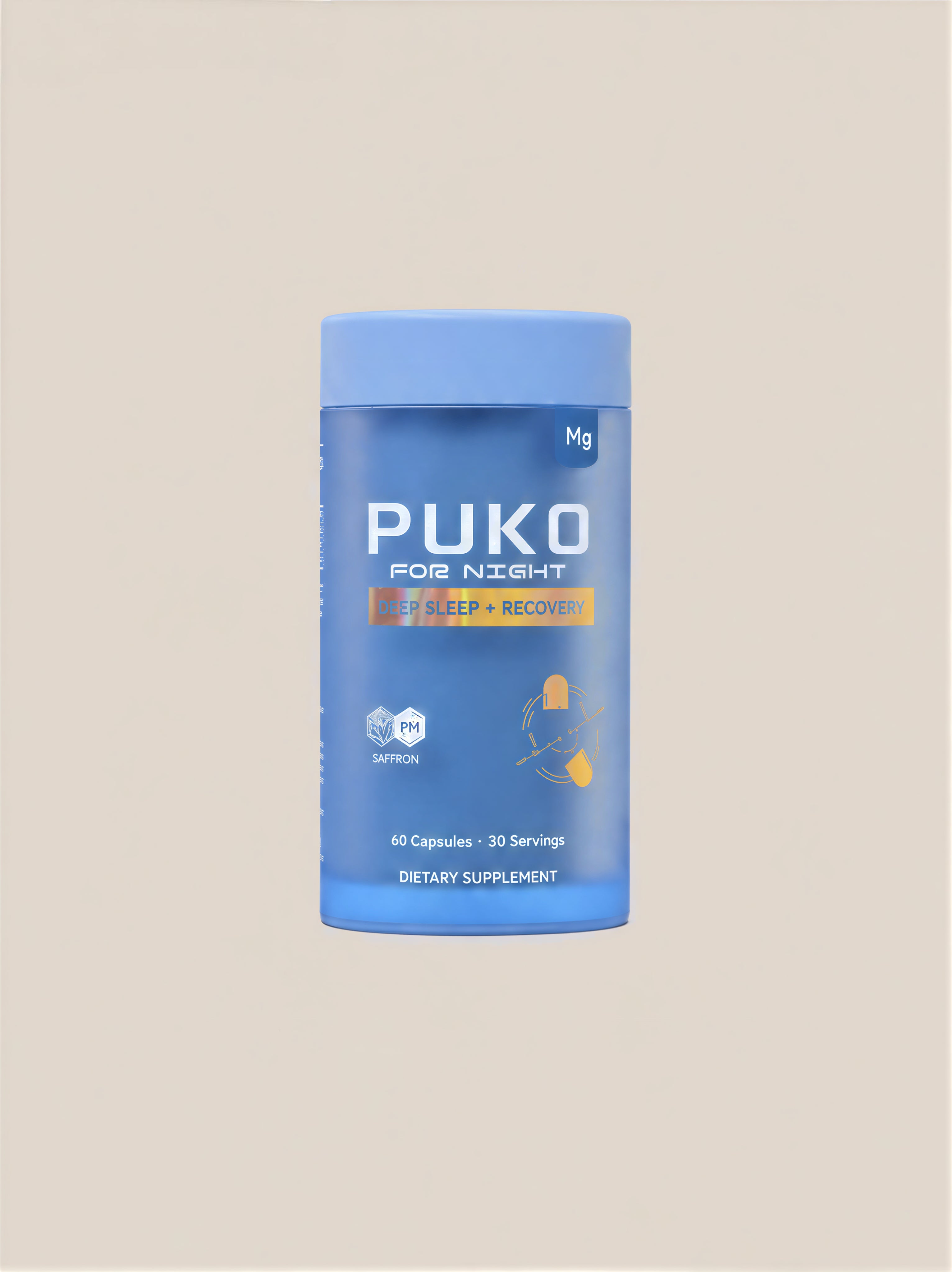
We build magnesium glycinate into both of our night formulas, by job. Deep Sleep Recovery pairs 240 mg magnesium glycinate with Montmorency tart cherry and saffron - the sleep-quality-and-mood side (full breakdown in the Deep Sleep Recovery ingredient guide). Unwind Sleep pairs the same 240 mg magnesium glycinate with KSM-66 ashwagandha and lemon balm - the stress-and-wind-down side. Both are melatonin-free, and every dose is printed on the label.
FAQ
1. What is the best form of magnesium for sleep and stress?
Glycinate - it's bound to a calming amino acid, absorbs well, and is gentle on the stomach, unlike oxide or citrate.
2. How much magnesium should I take, and when?
Commonly 200-350 mg of elemental magnesium in the evening, with a little food. Give it a couple of weeks; it builds rather than working the first night.
3. Does magnesium work like a sleeping pill?
No. It supports relaxation and helps the body manage cortisol - it's not a sedative, and the effect is gentle.
4. Why did magnesium upset my stomach?
Usually the form (oxide or citrate) or too high a dose. Glycinate at a sensible dose is far gentler.
References:
- Pickering G et al. "Magnesium Status and Stress: The Vicious Circle Concept." Nutrients, 2020.
- NIH Office of Dietary Supplements, Magnesium fact sheet (health-professional version).
- Reviews on magnesium bioavailability by form (glycinate vs oxide/citrate).
† These statements have not been evaluated by the Food and Drug Administration. This information is not intended to diagnose, treat, cure, or prevent any disease. Always consult your healthcare provider before starting any new supplement.
You May Also Like
How to Choose a Phosphatidylserine Supplement

How to Fall Asleep Faster: An Evidence-Based Guide
Best Energy Supplements: A Label-First Buying Guide
Sleep Supplements: What the Evidence Shows and How to Compare Options
Can Sleep Supplements Improve Deep Sleep? What the Evidence Can Actually Show
How to Compare Sleep Supplements: A Label-First Checklist

Magnesium L-Threonate vs Glycinate (Bisglycinate)