Magnesium Glycinate vs Ashwagandha for Sleep: Evidence and Safety

TL;DR: A magnesium bisglycinate trial found a small improvement in reported insomnia symptoms over four weeks. Specific ashwagandha extracts have also shown promising sleep results. The trials below did not compare the two directly or test whether combining them works better. Compare the preparation, size of the benefit and safety precautions before choosing a formula.
This article is published by PUKO, which sells supplements containing these ingredients. The research discussed below did not test PUKO Unwind + Sleep.

What the magnesium research shows
A 2025 randomized trial enrolled 155 adults who reported poor sleep. It compared magnesium bisglycinate providing 250 mg of elemental magnesium daily with placebo for four weeks. Insomnia Severity Index scores fell by 3.9 points in the magnesium group and 2.3 points in the placebo group; the reported effect size was small. Outcomes were based on questionnaires, so this is not evidence that the supplement increased measured deep sleep. Read the bisglycinate trial.
An earlier eight-week trial in 46 older adults used 500 mg of magnesium daily and reported improvement in several insomnia measures. However, early-morning awakening and total sleep time did not show statistically significant differences between groups. That older population, preparation and study dose should not be treated as instructions for every reader or as proof that glycinate acts within an hour. Read the older-adult trial.
What the ashwagandha research shows
In a 2019 randomized trial, 60 adults with insomnia were assigned to a specific ashwagandha root extract or placebo. The study used 300 mg of extract twice daily for ten weeks and assessed sleep with actigraphy and questionnaires. Some sleep measures improved more with the extract. This was a small trial of a particular preparation, not a comparison with magnesium or a trial of a combined PUKO formula. Read the ashwagandha sleep trial.
The National Center for Complementary and Integrative Health notes that some preparations may help insomnia and stress, while many studies are small and use different extracts. A study's ten-week endpoint does not tell an individual when they will notice a change. A cortisol result also does not establish that someone's night waking is caused by high cortisol. Read NCCIH's evidence and safety overview.
Compare the evidence before choosing
| Question | Magnesium glycinate / bisglycinate | Ashwagandha |
|---|---|---|
| What was tested? | A four-week bisglycinate trial in adults reporting poor sleep. | Specific extracts, including a ten-week root-extract trial in adults with insomnia. |
| What is the main limit? | The bisglycinate benefit was modest and assessed through questionnaires. | Extracts, doses and populations differ; one preparation cannot stand in for all products. |
| Can the studies identify a winner? | These trials did not compare the two ingredients directly or test whether their combination was superior. | |
| What should the label show? | Elemental magnesium per serving and the magnesium form. | Extract amount, preparation details and the other ingredients in the formula. |
What to check before combining them
Start with the full labels, including products you already take. A blend can already contain magnesium, so adding a second magnesium product changes the total. For example, a product listing 150 mg of elemental magnesium plus a separate 250 mg supplement supplies 400 mg from supplements that day. The adult upper limit is 350 mg daily from supplements and medicines, excluding magnesium naturally present in food; it is not a target dose. Higher amounts should be clinician-directed. See NIH's magnesium guidance.
Magnesium supplements can cause diarrhea, nausea or cramping, and toxicity risk rises with impaired kidney function. They can also interfere with the absorption of some antibiotics and oral bisphosphonates. A pharmacist can check the appropriate separation for the actual medicines.
Ashwagandha can cause drowsiness and digestive effects; rare liver injury has been reported. Avoid it during pregnancy and breastfeeding. Thyroid or autoimmune conditions, upcoming surgery and medication use also need review. Interactions may involve sedatives, thyroid medicines, anticonvulsants, immunosuppressants, and medicines for blood pressure or diabetes. Short studies do not establish long-term safety.
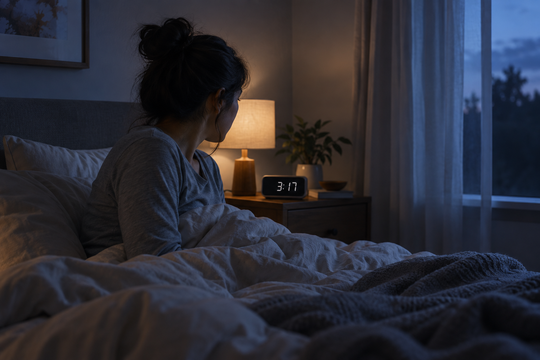
Neither a racing mind nor waking at 3 a.m. tells you which ingredient you need. If sleep trouble persists or affects daytime functioning, discuss the pattern and possible causes with a qualified clinician instead of choosing a supplement solely from a symptom list.
Where PUKO Unwind + Sleep fits
PUKO Unwind + Sleep combines magnesium glycinate chelate 240 mg, KSM-66 ashwagandha extract 200 mg and lemon balm extract 150 mg per two-capsule serving. It is a melatonin-free formula. Check the current Supplement Facts and directions when comparing it with another product.
The 200 mg ashwagandha amount in this formula differs from the 600 mg daily amount in the ten-week trial above. Matching an ingredient name does not make two formulations equivalent. The research cited here does not establish that Unwind improves a particular sleep stage, is better than either ingredient alone, or will work on a fixed timetable.
For more context, read our guide to cortisol and sleep without symptom-based diagnosis and lemon balm research and label comparison guide.
Frequently asked questions
Can I take magnesium glycinate and ashwagandha together?
Some formulas contain both, but that does not establish that every combination is suitable for every person. Review the complete doses, other supplements, health conditions and medicines with a clinician or pharmacist before combining products.
Which works faster for sleep?
The studies discussed here do not establish a reliable head-to-head onset comparison. Taking a study supplement before bed is a dosing instruction within that trial, not proof that its effect begins within 30 to 60 minutes.
Is magnesium glycinate better than magnesium citrate for sleep?
The studies cited here do not establish that glycinate is superior to citrate for sleep. The form, elemental amount, other ingredients and individual tolerance all matter when comparing products.
Does ashwagandha cause dependence or tolerance?
Short trials cannot answer every question about long-term use, dependence or tolerance. NCCIH says evidence is insufficient to draw conclusions about long-term safety. Review continued use with your clinician rather than assuming a botanical supplement is risk-free.
Can I use these ingredients with antidepressants or anxiety medication?
Ask the prescriber or pharmacist to review your exact medicines and supplement labels. Ashwagandha can cause drowsiness and may interact with sedatives and other medicines; magnesium has separate medication-interaction and kidney-function considerations.
References
- Schuster J, et al. 2025. Magnesium bisglycinate randomized trial in adults reporting poor sleep.
- Abbasi B, et al. 2012. Magnesium supplementation trial in older adults with insomnia.
- Langade D, et al. 2019. Ashwagandha root extract trial in insomnia and anxiety.
- National Center for Complementary and Integrative Health. Ashwagandha: evidence and safety.
- NIH Office of Dietary Supplements. Magnesium fact sheet for health professionals.
About the author
Written by Iris for PUKO Nutrition. PUKO sells the supplement discussed in this article. This is educational brand content, not individualized medical advice.
† These statements have not been evaluated by the Food and Drug Administration. This information is not intended to diagnose, treat, cure, or prevent any disease. Always consult your healthcare provider before starting any new supplement.
You May Also Like
How to Fall Asleep Faster: An Evidence-Based Guide
Best Supplement for Staying Asleep? An Evidence Guide
Can Supplements Help Sleep Apnea? Evidence, Limits and Safer Next Steps
Sleep Supplements: What the Evidence Shows and How to Compare Options
Ashwagandha Tea vs Supplement: Which Form Works Better?
Does Chamomile Tea Help You Sleep? Tea vs Extract Evidence
How to Sleep During the Day After a Night Shift