Magnesium Glycinate for Stress and Cortisol: Why the Form and Timing Matter

Written by Iris, Co-founder & Nutrition Researcher at PUKO Nutrition. Founded in 2022, PUKO brings precision wellness to energy, focus, and recovery.
TL;DR: Magnesium may help the body manage cortisol, but two details decide whether you feel it. The form: glycinate is bound to glycine, a calming amino acid, so it absorbs well and doesn't wreck your stomach the way cheaper forms do. The timing: taken in the evening, it supports relaxation and the natural nighttime drop in cortisol. The studied range is about 200-350 mg of elemental magnesium daily, and it works gradually - not as an overnight switch.
The stress-magnesium loop nobody warns you about
Here's the part that changed how I think about this. Stress and magnesium run in a loop, and it runs the wrong way. When you're under stress, your body burns through magnesium faster and dumps more of it in your urine. Low magnesium then makes your stress response more reactive - a smaller trigger, a bigger cortisol swing. So the more stressed you are, the more magnesium you lose, and the less magnesium you have, the more stressed you get. A lot of people are quietly stuck in that spiral, topping up caffeine instead of the mineral that stress keeps draining.
That's why magnesium is one of the few "calming" supplements with a mechanism that actually makes sense to me. It's not a sedative. It's replacing something stress depletes.

How magnesium touches cortisol
Cortisol is run by your HPA axis - the hypothalamus-pituitary-adrenal chain that decides how much stress hormone to release. Magnesium acts on that system in a few ways: it helps keep the HPA axis from over-firing, and it supports the enzyme (11β-HSD type 2) that converts active cortisol into its inactive form. In plainer terms, magnesium helps your body put the brakes on its own stress hormone.
Research on magnesium supplementation has linked it to lower cortisol and lower perceived stress, especially in people who were low to begin with. That last part matters: if you're already magnesium-replete, piling on more won't turn you into a monk. This is a "fix a shortfall" tool, not a "more is better" one. And with modern diets, shortfalls are common - a lot of us simply don't eat enough leafy greens, nuts, and legumes to keep up with what stress burns.
Why glycinate specifically
"Magnesium" on a label can mean very different things. The form is bonded to something, and that something decides how well it absorbs and how it treats your gut.
Glycinate is magnesium bound to glycine, an amino acid that's calming in its own right (glycine itself has been studied for sleep quality). Two things follow. First, absorption: it's one of the more bioavailable forms, so more of what you take actually gets used. Second, tolerance: it's gentle on the stomach. That's the opposite of magnesium oxide - the cheap form in a lot of drugstore tubs - which absorbs poorly and is better known as a laxative than a calming supplement. If you've tried "magnesium for sleep" and it just sent you to the bathroom, the form was probably the problem, not the mineral.
Morning cortisol vs evening cortisol
A quick note, because searches split here. Some people want magnesium for morning cortisol - that jittery, wired-on-waking feeling. Magnesium can be part of that picture, since a steadier HPA axis means a less spiky morning curve. But the cleaner, better-studied use is evening: cortisol is supposed to fall at night, stress keeps it propped up, and that's exactly when "tired but wired" shows up. Taking magnesium glycinate in the evening lines up with that natural downshift and doubles as relaxation support before bed. So if you're picking one time, take it at night.

How I use it
The studied sweet spot is roughly 200-350 mg of elemental magnesium a day, in the evening, with a little food. Give it two to three weeks of consistent use before you judge it - the cortisol effect builds, it doesn't announce itself on night one.
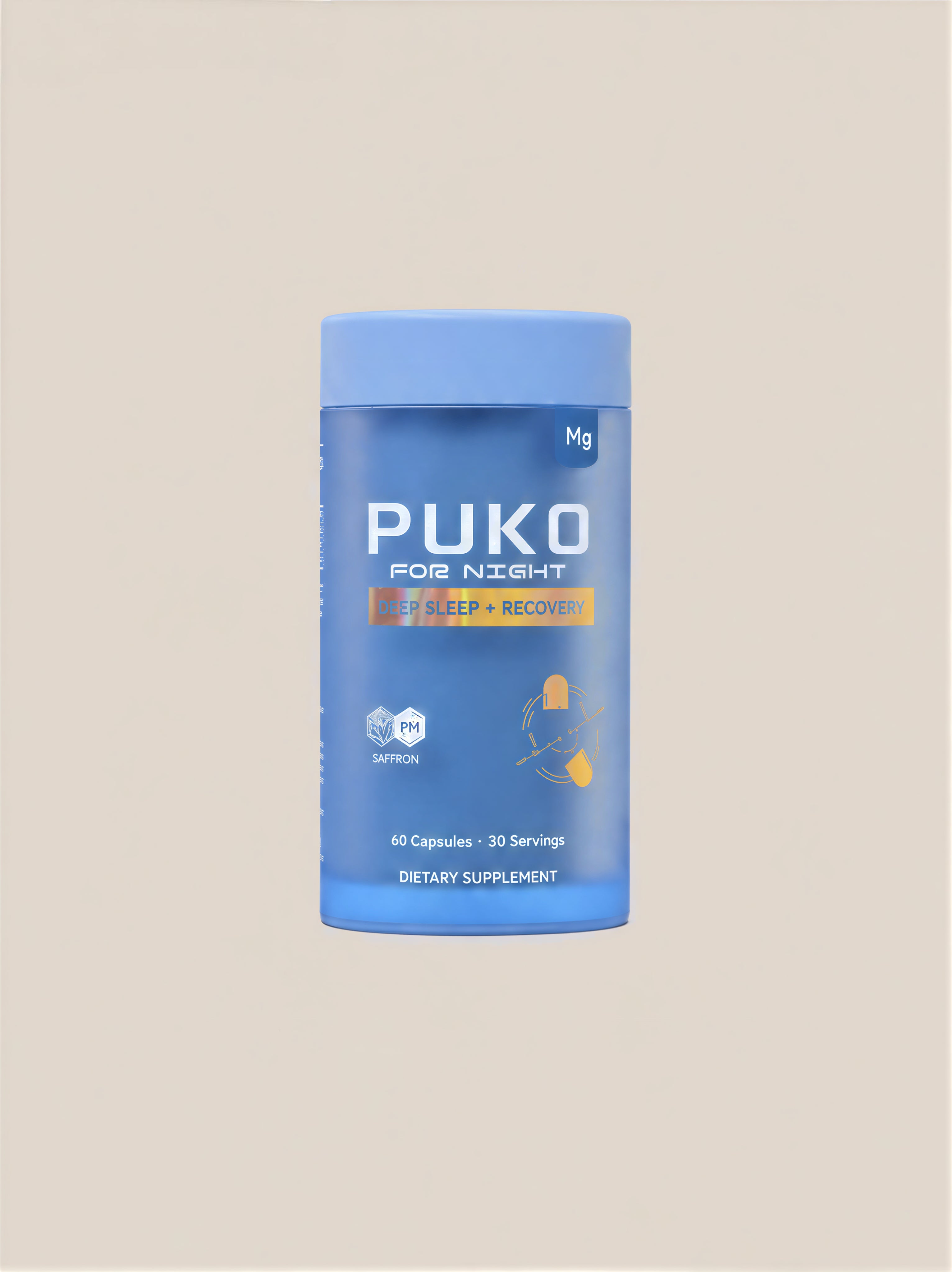
This is the dose logic behind our nighttime formula, Deep Sleep Recovery: 240 mg of magnesium glycinate (right in that range) alongside saffron for mood-and-sleep support and Montmorency tart cherry. Magnesium settles the physical, wound-up side; the others work the mood-and-quality side. If your evenings are more racing-mind than physically-wired, the herb side of the equation matters more - I broke that down in lemon balm vs ashwagandha, and if you're weighing a nightly routine against melatonin, saffron vs melatonin covers that fork.
What I'd skip
Magnesium oxide as your stress magnesium. It's cheap for a reason - poor absorption and a laxative reputation. Fine as an occasional oxide-for-constipation thing, wrong tool for cortisol.
Mega-dosing. More magnesium past the point of repletion doesn't lower cortisol further; it just loosens your stools. Stay in the studied range.
And skip expecting it to work like a sleeping pill. Magnesium supports the system; it doesn't sedate you. If you took it once and felt nothing, that's normal - it's a three-week tool, not a one-night one.
The boring stuff that matters more
You can out-drain any magnesium dose with a lifestyle that never lets cortisol come down. Caffeine late in the day, doom-scrolling in bed, and no wind-down all keep the stress system lit, and magnesium can't win that fight alone. Food first, too: leafy greens, pumpkin seeds, almonds, black beans, and dark chocolate are real magnesium sources, and topping up through diet is the foundation a supplement sits on top of.
The bottom line
Magnesium glycinate is one of the more evidence-friendly ways to support your body's handling of cortisol - as long as you get the form right (glycinate, not oxide), the timing right (evening), the dose right (200-350 mg elemental), and your expectations right (weeks, not overnight). Fix the shortfall stress keeps creating, and the rest of your wind-down routine works better.
FAQ
1. Does magnesium glycinate really lower cortisol?
Research links magnesium to lower cortisol and perceived stress, mostly in people who were low to start. It helps your body manage cortisol rather than forcing it down like a drug.
2. When should I take it - morning or night?
Evening is the better-studied use: it lines up with cortisol's natural nighttime drop and supports relaxation before bed. Take it with a little food.
3. How is glycinate different from other magnesium?
It's bound to glycine, a calming amino acid, so it absorbs well and is gentle on the stomach - unlike magnesium oxide, which absorbs poorly and acts as a laxative.
4. How long until I notice anything?
Give it 2-3 weeks of consistent evening use. The effect on stress and cortisol builds gradually; it isn't a same-night sedative.
References:
- Pickering et al., "Magnesium Status and Stress: The Vicious Circle Concept," Nutrients, 2020.
- Cuciureanu & Vink, "Magnesium and stress," in Magnesium in the Central Nervous System (2011).
- Research on magnesium glycinate bioavailability and gastrointestinal tolerance.
† These statements have not been evaluated by the Food and Drug Administration. This information is not intended to diagnose, treat, cure, or prevent any disease. Always consult your healthcare provider before starting any new supplement.
You May Also Like
Sleep Supplements: What the Evidence Shows and How to Compare Options
How to Compare Sleep Supplements: A Label-First Checklist

Magnesium L-Threonate vs Glycinate (Bisglycinate)
Are Magnesium Glycinate Gummies as Effective as Pills?
Magnesium Glycinate for Sleep, Stress & Recovery: The Complete Guide

How Long Does KSM-66 Ashwagandha Take to Work?

Phosphatidylserine and Ashwagandha Together: Can You Stack Them (and How)?