Melatonin for Sleep: Natural Alternatives That Work

Melatonin is a hormone that signals timing, it tells your body it’s night. As a supplement it can help some people fall asleep faster, and it’s genuinely useful for jet lag and shift work. But because it’s a hormone (not a nutrient), many people report next-morning grogginess, it’s easy to overdose relative to what the body makes, and a lot of products contain far more than the small amount actually needed. If that’s not what you want, there are melatonin-free alternatives, magnesium glycinate, tart cherry, lemon balm, ashwagandha, and saffron, that support your body’s own wind-down instead of overriding it. That difference is exactly why PUKO’s sleep line is melatonin-free.
What melatonin actually does
Your body makes melatonin naturally as the evening gets dark; rising melatonin is the “it’s nighttime” signal that nudges you toward sleep. Taking a melatonin supplement adds to that signal. It is best understood as a timing cue, not a sedative, it doesn’t force sleep so much as tell your clock that night has arrived. That’s why it shines for jet lag and shifting schedules, where the goal is literally to reset timing.
Where melatonin falls short for everyday sleep
For ordinary “I just can’t wind down” nights, a few well-documented drawbacks come up again and again:
- Morning grogginess. Many people report a foggy, “hungover” feeling the next day, often because the dose was far higher than the body’s own output.
- Doses are wildly oversized. The body makes a tiny amount of melatonin; many gummies and tablets contain 5-10 mg, far more than studies suggest is needed. Independent testing has also found actual melatonin content in some products varies significantly from the label.
- It’s a hormone. Some people are simply uncomfortable taking a hormone nightly, especially long-term, and prefer a non-hormonal route.
- It doesn’t address why you’re wired. If a racing, stressed mind is keeping you up, a timing signal doesn’t touch the cause, cortisol does. (See our cortisol and sleep guide.)
None of this makes melatonin “bad”, it makes it a specific tool for timing problems rather than a default for every restless night. If you do use it, the research-backed approach is a low dose (often 0.5-1 mg) taken earlier in the evening, not a 10 mg gummy at lights-out.
A note on melatonin gummies
Melatonin gummies (the category that drives searches like natrol melatonin gummies) are popular because they taste good and feel easy. The trade-offs: they often carry those oversized 5-10 mg doses, usually add sugar, and still come with the morning-grogginess and hormone considerations above. If you reach for one, check the actual milligrams, convenience shouldn’t mean a mega-dose.
Natural, melatonin-free alternatives
If you want sleep support without synthetic melatonin, these ingredients support your body’s own process:
| Ingredient | What it supports |
|---|---|
| Magnesium glycinate | GABA activity and muscle/nervous-system relaxation, the calm side of winding down. (See best magnesium for sleep.) |
| Montmorency tart cherry | A natural food source of melatonin precursors that supports your body’s own rhythm. (See does tart cherry help you sleep.) |
| Lemon balm | A traditional calming herb that promotes a sense of relaxation before bed. |
| KSM-66® ashwagandha | An adaptogen that helps the body manage everyday stress, for the “can’t switch off” nights. |
| Saffron | Studied for supporting a calm, positive mood in the evening. |
The key distinction: tart cherry supports your body’s own melatonin rhythm at food-level amounts, rather than flooding your system with a synthetic hormone dose. That’s a gentler way to ease toward sleep.
Why PUKO is melatonin-free
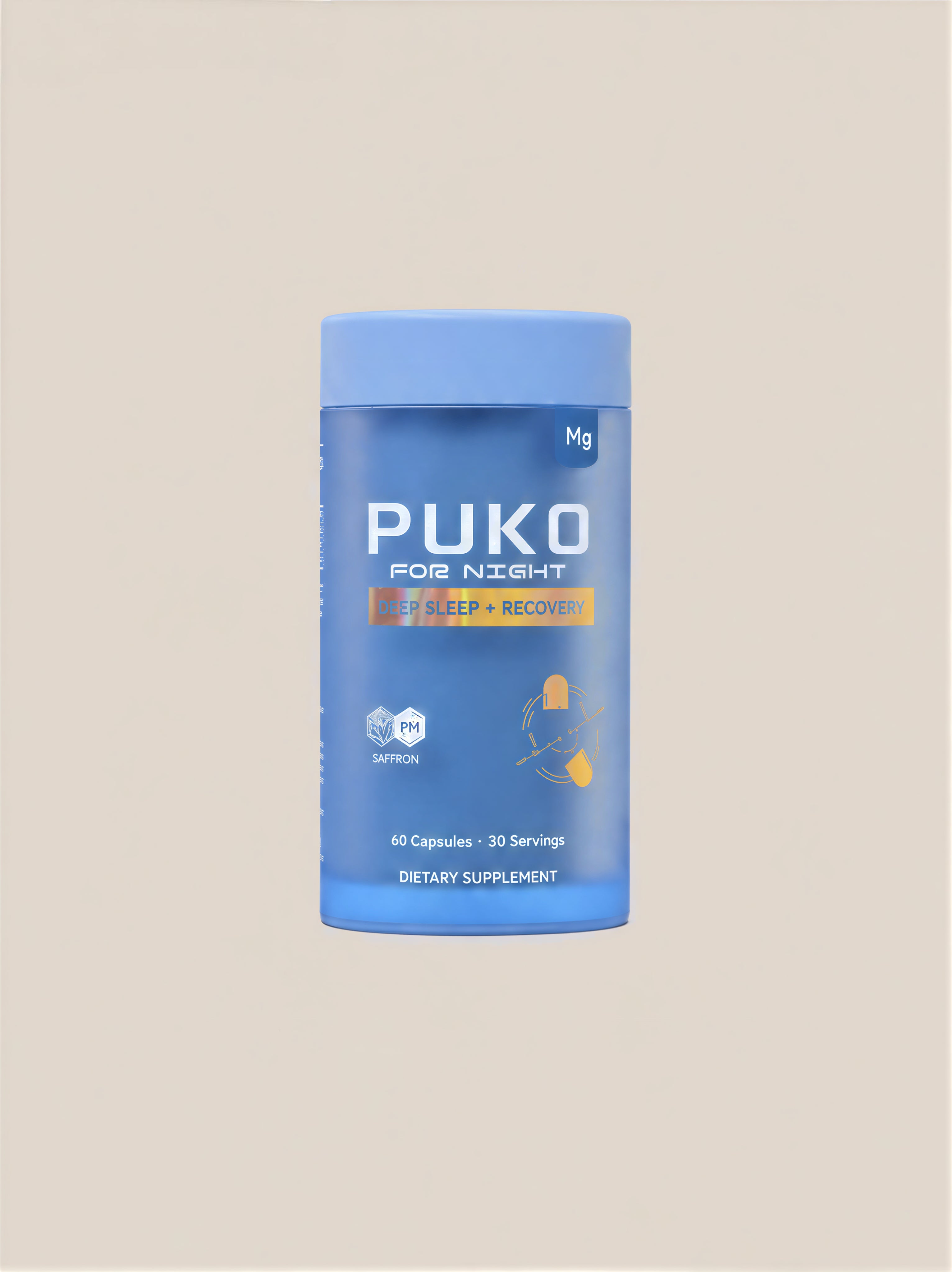
Both PUKO night formulas deliberately leave out synthetic melatonin and build on magnesium glycinate instead:
- Deep Sleep + Recovery, magnesium glycinate + Montmorency tart cherry + saffron. Melatonin-free, with tart cherry supporting your natural rhythm and saffron supporting a calm mood.
- Unwind + Sleep KSM-66, magnesium glycinate + KSM-66® ashwagandha + lemon balm. Melatonin-free, built for the nights when stress is what’s keeping you awake.
The goal is to wake up refreshed, not groggy, supporting your body’s own wind-down rather than overriding it with a hormone.
Melatonin for sleep: frequently asked questions
Is melatonin good for sleep?
It can help, especially for jet lag, shift work, or resetting a delayed schedule. It works as a timing signal rather than a sedative, so it’s less suited to nights when a racing, stressed mind is the issue.
Why do I feel groggy after taking melatonin?
Often because the dose is far higher than what your body naturally produces. Lower doses (around 0.5-1 mg) taken earlier in the evening are less likely to cause next-day grogginess than a 5-10 mg gummy at bedtime.
What can I take instead of melatonin?
Melatonin-free options include magnesium glycinate, tart cherry, lemon balm, ashwagandha, and saffron, the ingredients in PUKO’s sleep formulas. They support your body’s own wind-down rather than adding a synthetic hormone.
Are melatonin gummies safe?
Used occasionally and at a low dose, melatonin is generally considered safe for most adults. The main cautions with gummies are oversized doses, added sugar, and label-accuracy issues found in some products. Check the milligrams, and talk to your provider about long-term or nightly use.
Does PUKO contain melatonin?
No. Both PUKO sleep formulas are intentionally melatonin-free.
† These statements have not been evaluated by the Food and Drug Administration. This product is not intended to diagnose, treat, cure, or prevent any disease. PUKO products are not intended to treat insomnia or other sleep disorders. Individual results may vary.
You May Also Like

How to Fall Asleep Faster: An Evidence-Based Guide
Best Supplement for Staying Asleep? An Evidence Guide
Can Supplements Help Sleep Apnea? Evidence, Limits and Safer Next Steps
Sleep Supplements: What the Evidence Shows and How to Compare Options
Ashwagandha Tea vs Supplement: Which Form Works Better?

Does Chamomile Tea Help You Sleep? Tea vs Extract Evidence
How to Sleep During the Day After a Night Shift